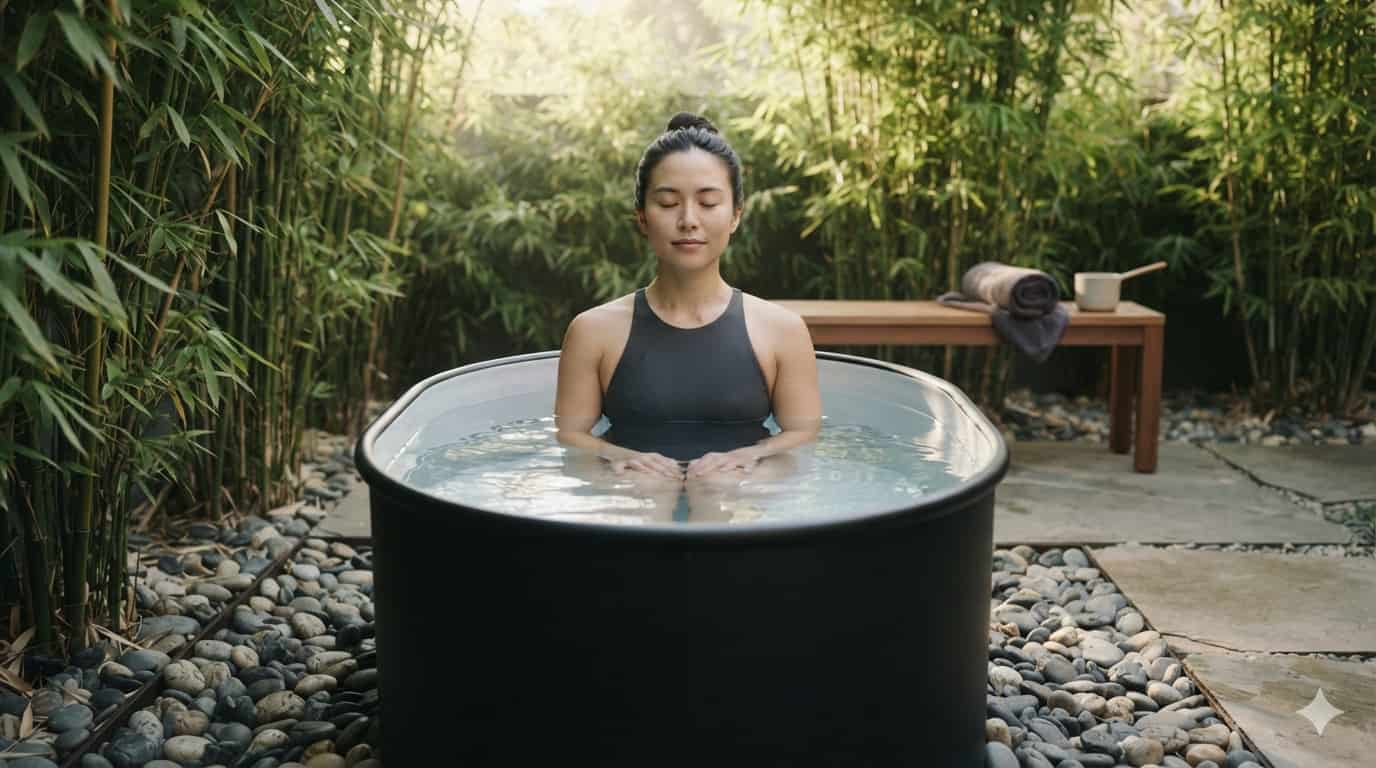
Starting a structured cold plunge routine for beginners is one of the most powerful ways to accelerate athletic recovery, reduce systemic inflammation, and build mental resilience. Cold water immersion (CWI) has transformed from an elite athletic secret into a global wellness phenomenon, celebrated by neuroscientists and biohackers for its dramatic physical and psychological benefits.
While cold water immersion has been practiced for centuries, adopting an approachable cold plunge routine for beginners ensures that you stimulate vasoconstriction without risking dangerous hypothermia. Jumping headfirst into freezing 35°F (1°C) ice water on your first attempt triggers an involuntary gasping reflex, uncontrolled hyperventilation, and extreme arterial constriction that can quickly turn dangerous.
Whether you are using a dedicated backyard cold plunge tub, an unheated swimming pool, or a standard home bathtub filled with ice bags, here are the 7 proven steps to master cold therapy safely and reap sustained health rewards.
Why You Need a Cold Plunge Routine for Beginners
Many fitness enthusiasts plunge into freezing water randomly, but executing a calibrated cold plunge routine for beginners prevents acute cold shock and hyperventilation.
When your skin contacts cold water, your autonomic nervous system initiates three immediate biological shifts:
- Massive Neurochemical Surge: Immersing in cold water triggers a sustained 250% increase in baseline dopamine and a 530% surge in plasma noradrenaline, producing hours of calm mental focus.
- Peripheral Vasoconstriction: Cold temperatures constrict surface capillaries, driving pooled metabolic fluids from your extremities into your core to flush cellular byproducts.
- Brown Adipose Tissue Activation: Cold exposure stimulates mitochondrial-dense brown fat (BAT) to burn triglycerides and generate internal thermal heat, boosting metabolic efficiency.
Following a disciplined cold plunge routine for beginners ensures you capture these hormonal and circulatory benefits while gradually conditioning your thermal tolerance.
7 Proven Cold Plunge Routine for Beginners Steps for Safe Recovery
1. Temperature Calibration (Start Cool, Not Freezing)
The essential baseline in any cold plunge routine for beginners is keeping the water between 50°F and 59°F (10°C to 15°C) rather than jumping into near-freezing ice slush. Water at 55°F is already cold enough to elicit the full biological shock response without numbing nerve conduction too rapidly.
- Recommended Starting Range: 50°F to 58°F (10°C to 14°C).
- Gear Requirement: Use an inexpensive floating pool or digital water thermometer to verify temperature before stepping in.
- Progression Principle: Only lower the temperature by 2 degrees once you can sit comfortably for three minutes without involuntary trembling.
(Affiliate Tip: Ideal spot to link to floating digital water thermometers and portable cold plunge tubs).
2. Pre-Immersion Box Breathing (Tame the Panic Reflex)
Practicing slow nasal breathwork prior to entry allows your cold plunge routine for beginners to calm the autonomic fight-or-flight response. The initial cold shock triggers hyperventilation; controlling your breath before stepping in prevents erratic gasping.
- Protocol (Box Breathing):
- Inhale slowly through your nose for 4 seconds.
- Hold your breath gently for 4 seconds.
- Exhale smoothly through your mouth for 4 seconds.
- Hold empty for 4 seconds.
- Complete 3 cycles immediately beside the tub.
3. Deliberate Submersion Up to the Collarbone
Ensuring full chest coverage maximizes the efficiency of your cold plunge routine for beginners by activating brown adipose tissue. Stepping in timidly with only your feet or hips submerged fails to trigger the systemic diving reflex.
- Entry Strategy: Step into the tub calmly, lower your hips, and submerge your torso up to your collarbone in one smooth, continuous motion.
- Hand Placement: Keep your hands out of the water resting on your thighs or across your chest if cold pain in your fingers feels overwhelming.
- Neck Submersion: Avoid submerging your head or the back of your neck during your first two weeks, as rapid carotid cooling can trigger dizzy spells.
4. The 2-to-3 Minute Cap (Avoid Over-Exposure)
Respecting the optimal time cap prevents a cold plunge routine for beginners from triggering muscle stiffness or core hypothermia. Peer-reviewed research demonstrates that total weekly cold exposure of just 11 minutes (divided into 2 to 3 sessions) unlocks maximum metabolic adaptation.
- Duration Target: 120 to 180 seconds (2 to 3 minutes) per plunge.
- The “Numbness” Red Flag: If your skin loses tactile sensation or your fingers claw involuntarily, exit the water immediately regardless of the timer.
Maintaining steady cardiovascular conditioning through regular achieving cardiorespiratory fitness strengthens arterial compliance, helping your heart pump smoothly through cold-induced vasoconstriction.
5. Natural Rewarming (Never Jump Straight into a Hot Shower)
An indispensable rule in this cold plunge routine for beginners is allowing your body to generate its own heat naturally through shivering. Rushing directly into a steaming hot shower or sauna blunts the metabolic benefit of cold exposure by stopping brown fat thermogenesis prematurely.
- Rewarming Protocol:
- Step out onto a dry towel and wipe excess water from your skin.
- Put on dry, loose cotton clothes, thick wool socks, and a beanie.
- Engage in gentle movement—such as slow squats or horse-stance arm swings—to stimulate muscular heat production.
- Drink a mug of warm herbal tea or room-temperature water.
6. Avoid Plunging Immediately After Strength Hypertrophy Workouts
Timing is everything in recovery science. If your primary fitness goal is building maximum muscle size, wait at least 4 to 6 hours after lifting before getting into cold water. Cold water immersion suppresses the inflammatory signaling pathways (such as mTOR) necessary for muscle fiber hypertrophy.
- Best Timing:
- First thing in the morning for sustained dopamine and alertness.
- On active recovery or rest days.
- Immediately after heavy aerobic endurance runs or sports matches (where tissue cooling takes priority over muscle growth).
Pairing mental stillness with daily yoga for mental health training enhances the parasympathetic calm that follows cold therapy, keeping daytime stress levels remarkably low.
7. Consistency Over Extreme Temperatures
Focus on developing a calm mental relationship with the cold rather than chasing freezing temperature milestones. Showing up three mornings a week in 55°F water builds significantly more neurological resilience than doing one freezing 35°F plunge once a month.
Biomechanics: How a Cold Plunge Routine for Beginners Accelerates Recovery
The scientific advantage of a disciplined cold plunge routine for beginners lies in norepinephrine release, which surges by up to 250% to elevate focus.
| Temperature Range | Optimal Duration | Systemic Impact | Recommended User Level |
| 55°F – 60°F (13°C – 15°C) | 2 to 3 Minutes | Calm dopamine rise, mild vasoconstriction | Absolute Beginners |
| 48°F – 52°F (9°C – 11°C) | 2 to 3 Minutes | Strong anti-inflammatory flush | Intermediate (Month 2) |
| 38°F – 45°F (3°C – 7°C) | 1 to 2 Minutes | Intense shock, extreme brown fat activation | Advanced biohackers |
| Under 35°F (<2°C) | Under 60 Sec | High hypothermia risk, diminishing returns | Not recommended |
Safety and Contraindications
Scheduling your weekly cold plunge routine for beginners after cardio or on rest days avoids blunting hypertrophy adaptations.
Adhere strictly to these medical safety boundaries:
- Never Plunge Alone in Open Water: Always plunge in a controlled home tub or with a training partner nearby; cold shock can cause sudden disorientation in open lakes or oceans.
- Cardiovascular Caution: If you have diagnosed hypertension, cardiac arrhythmias, or Raynaud’s syndrome, consult your physician before attempting cold water immersion.
- Control the Exit: Always ensure the footing around your tub is dry and equipped with rubber non-slip mats, as numb feet can slip easily.
Committing to this progressive cold plunge routine for beginners delivers an unbeatable natural dopamine boost while fortifying your daily stress resilience.
Connect With Us & Share Your Progress
For practical biohacking guides, recovery tech routines, and healthy lifestyle tips, join our growing digital fitness community:
- Follow our visual recovery infographics on FitKiter on Pinterest
- Join our health and wellness discussions on FitKiter on Facebook