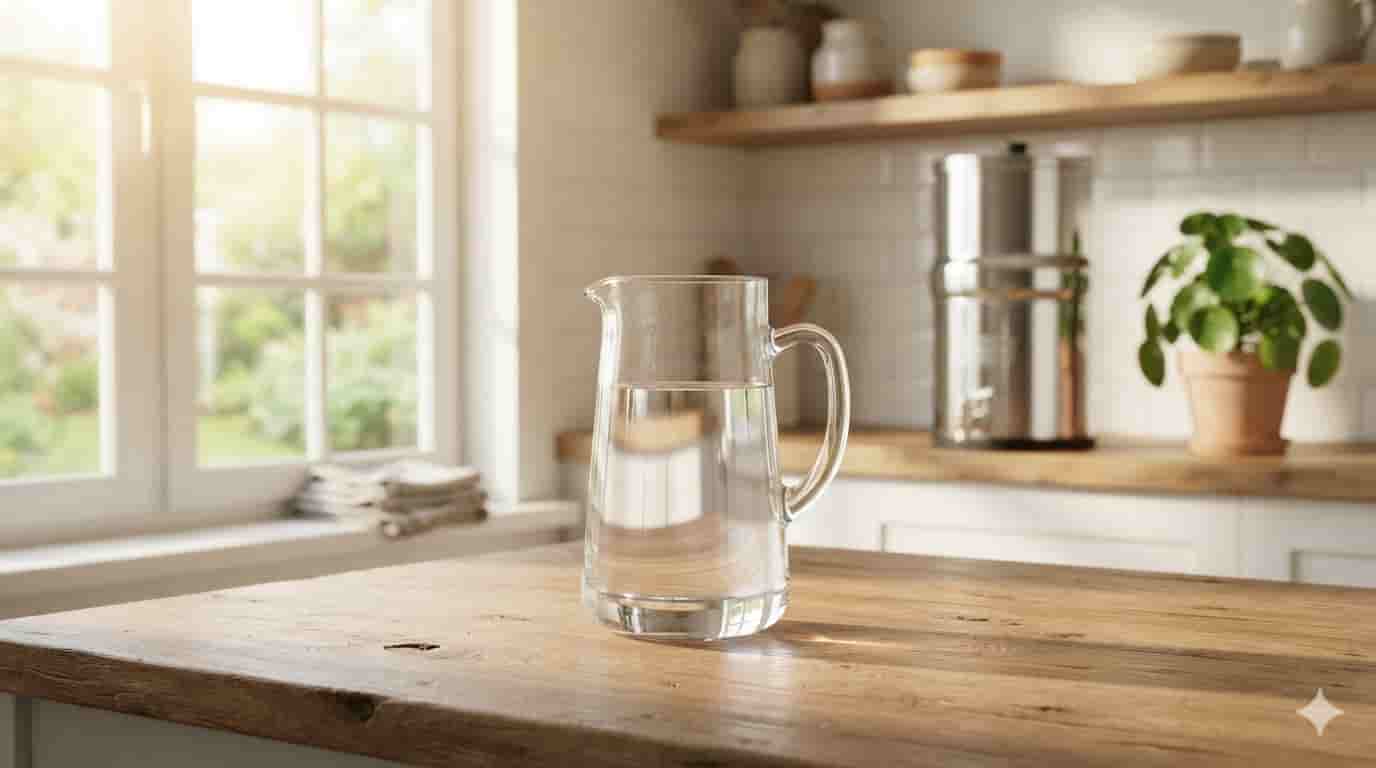
Mastering practical emergency water filtration methods at home is essential when broken municipal pipelines, natural disasters, or severe grid failures disrupt your clean tap water supply. While humans can survive weeks without food, severe dehydration begins impairing cognitive focus within 24 hours, and complete water deprivation turns fatal in as little as three days.
While stockpiling plastic water jugs provides short-term relief, knowing diverse emergency water filtration methods at home guarantees that your household maintains an unlimited supply of pathogen-free drinking water. Plastic single-use bottles take up massive storage space, degrade over time under sunlight, and quickly run out during extended disruptions.
Whether you are drawing water from a backyard rain barrel, stagnant floodwater, or an unpressurized municipal tap, here are the 7 proven, scientifically backed methods to make contaminated water crystal clear and biologically safe to drink.
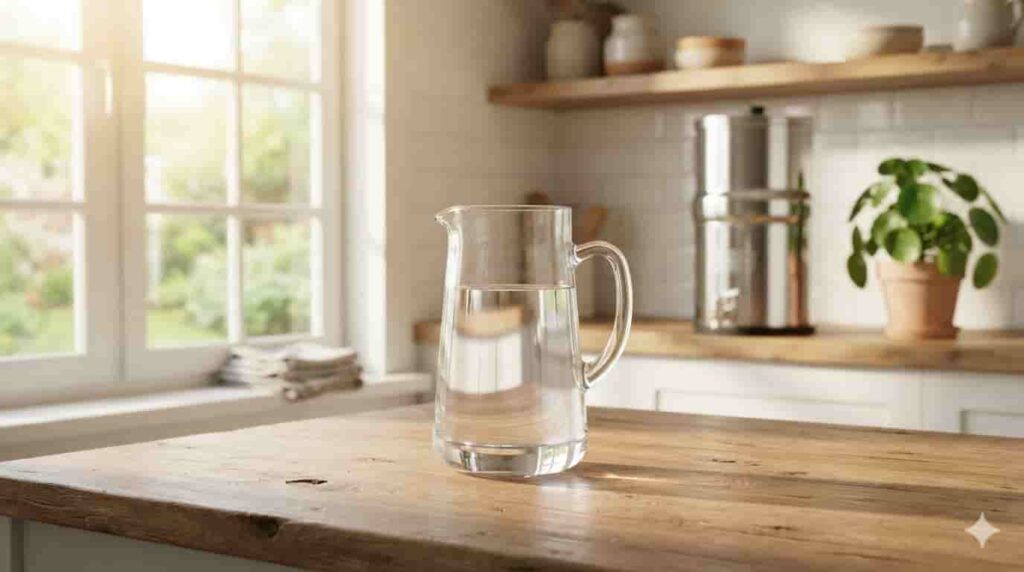
Why You Need Emergency Water Filtration Methods at Home
Many families search for reliable emergency water filtration methods at home after experiencing sudden boil-water notices or municipal contamination alerts.
When tap infrastructure fails, untreated water presents three primary biological and chemical threats:
- Microbiological Pathogens: Bacteria (like E. coli and Salmonella), protozoan cysts (such as Giardia and Cryptosporidium), and waterborne viruses can cause debilitating gastrointestinal illness.
- Suspended Sediments and Turbidity: Silt, sand, and organic mud cloud water, harboring bacteria and blocking chemical or ultraviolet disinfectants from working.
- Heavy Metals and Chemical Runoff: Industrial pollution, aging lead pipes, and agricultural pesticides cannot be eliminated by simple boiling alone; they demand specialized media filtration.
Implementing multi-stage emergency water filtration methods at home ensures you remove both physical particulates and invisible microscopic threats before taking a single sip.
7 Proven Emergency Water Filtration Methods at Home for Safe Drinking Water
1. Countertop Gravity Ceramic and Carbon Filters (The Gold Standard)
As the gold standard among emergency water filtration methods at home, stainless-steel gravity systems with ceramic and carbon candles remove bacteria and heavy sediment with zero electricity. Water poured into the upper chamber slowly drips through dense microporous elements into a clean lower reservoir.
- Target Contaminants: 99.99% of bacteria, protozoan cysts, microplastics, lead, chlorine.
- Flow Rate: Roughly 1 to 2 gallons per hour depending on filter candle count.
- Longevity: A single pair of ceramic elements purifies up to 6,000 gallons.
(Affiliate Tip: Ideal spot to recommend stainless-steel gravity filter systems like Berkey, Alexapure, or Doulton).
2. Hollow-Fiber Membrane Squeeze Filters (0.1 Micron)
For fast, low-cost options, micro-pore hollow-fiber filters serve as portable emergency water filtration methods at home capable of purifying hundreds of gallons. These compact survival tools utilize microscopic U-shaped tubes that physically block bacteria and parasites from passing through.
- Target Contaminants: Bacteria (Salmonella, Cholera), protozoa (Giardia), turbidity.
- Longevity: Up to 100,000 gallons with regular backwashing.
- Setup: Screw the filter directly onto standard 28mm plastic water bottles or inline with a gravity bag.
(Affiliate Tip: Great spot to link to portable 0.1-micron squeeze filters like the Sawyer Squeeze or LifeStraw).
3. Vigorous Rolling Boil Method with Oxygen Aeration
Rolling boiling paired with pouring aeration remains one of the simplest emergency water filtration methods at home to eradicate microscopic parasites and viruses. High thermal heat permanently denatures the proteins of all living waterborne pathogens.
- Target Contaminants: 100% of viruses, bacteria, and protozoan cysts.
- Protocol: Bring water to a full, rolling boil for one full minute (three minutes at altitudes above 5,000 feet / 1,500 meters).
- The Taste Fix: Boiled water often tastes flat because dissolved gases escape. Pour the cooled water back and forth between two clean containers several times to aerate it and restore a fresh taste.
4. DIY Layered Sand, Gravel, and Activated Charcoal Filter
Constructing a bio-sand column offers primitive yet reliable emergency water filtration methods at home when commercial gear is unavailable. It acts as an outstanding mechanical pre-filter to clear murky lake, river, or rainwater.
- Supplies Needed: Clean 2-liter soda bottle or 5-gallon bucket, cotton cloth, fine sand, coarse sand, crushed activated charcoal, pea gravel.
- Layering Order (From Bottom to Top):
- Cotton cloth / coffee filter at the bottom spout.
- 2 inches of crushed activated charcoal (absorbs odors and volatile chemicals).
- 3 inches of fine play sand (traps fine silt).
- 2 inches of coarse gravel (catches large debris).
Note: Always boil or chemically disinfect the effluent after running it through a DIY sand filter to kill microscopic viruses.
5. Household Unscented Liquid Bleach Disinfection
When fuel is unavailable for boiling, unscented plain chlorine bleach provides a cheap, accessible chemical sterilization protocol.
- Required Bleach: Plain, unscented liquid chlorine bleach (6% to 8.25% sodium hypochlorite) with no added fragrances, thickeners, or dyes.
- Dosage Ratio:
- Clear Water: 2 drops of bleach per liter (or 8 drops per gallon).
- Cloudy / Cold Water: 4 drops of bleach per liter (or 16 drops per gallon).
- Contact Time: Stir thoroughly and let stand undisturbed for 30 minutes. The water should have a faint chlorine smell; if not, repeat dosage and wait an additional 15 minutes.
Maintaining steady hydration is essential for cellular endurance; pairing functional self-reliance habits with consistent achieving cardiorespiratory fitness keeps your cardiovascular and renal systems resilient during challenging environmental conditions.
6. Portable Ultraviolet (UV-C) Purifier Wands
Pairing mechanical pre-filtering with germicidal light offers high-tech emergency water filtration methods at home that sterilize microbial DNA in seconds. UV-C light at 254nm alters the nucleic acids of bacteria, protozoa, and viruses, preventing them from reproducing.
- Target Contaminants: Cryptosporidium, Norovirus, Hepatitis A, bacteria.
- Execution Time: 60 to 90 seconds for a one-liter bottle.
- Critical Requirement: Water must be completely clear of visible cloudiness; suspended dirt particles cast shadows that shelter pathogens from UV rays.
7. Certified Chlorine Dioxide Tablets
Unlike standard iodine or chlorine drops, chlorine dioxide tablets effectively destroy stubborn Cryptosporidium oocysts, which possess thick shells resistant to conventional bleach.
- Best For: Long-term storage kits and bug-out bags.
- Shelf Life: 4 to 5 years in sealed foil blisters.
- Taste Profile: Leaves virtually no chemical aftertaste compared to iodine.
Managing mental panic during severe utility interruptions is paramount; practicing yoga for mental health training resets sympathetic nervous arousal and sharpens practical focus during crisis situations.
Filtration vs. Disinfection: How Emergency Water Filtration Methods at Home Work
Understanding the biological distinction between removing particulate dirt and neutralizing biological microbes ensures your emergency water filtration methods at home produce genuinely safe water.
| Method | Removes Mud & Silt | Kills Bacteria | Kills Protozoan Cysts | Kills Viruses | Best For |
| Gravity Ceramic Filter | Yes | Yes | Yes | Requires Carbon core | Long-term home use |
| 0.1-Micron Squeeze | Yes | Yes | Yes | No | Instant portable flow |
| Rolling Boil | No (Pre-filter first) | Yes | Yes | Yes | Universal home safety |
| DIY Bio-Sand Column | Yes | Partial | Partial | No (Must boil after) | Emergency fallback |
| Plain Liquid Bleach | No | Yes | Partial | Yes | No-fuel sterilization |
| Chlorine Dioxide Tablets | No | Yes | Yes | Yes | Compact bug-out kits |
Long-Term Safe Water Storage Tips
Applying these standardized emergency water filtration methods at home before transferring purified water into food-grade storage drums prevents bacterial re-growth.
Follow these three long-term storage rules:
- Use Food-Grade Containers Only: Store water in blue polyethylene plastic barrels labeled HDPE #2 or clean glass carboys; never reuse old milk jugs, as residual butterfat breeds bacteria.
- Store in Cool, Dark Rooms: Sunlight and ambient warmth stimulate algae formation inside translucent plastic jugs. Keep containers off bare concrete floors to avoid absorbing chemical odors.
- Rotate Annually: Re-treat and refresh home emergency water containers every 12 months to ensure fresh taste and absolute microbial security.
Implementing these dependable emergency water filtration methods at home gives your family unconditional hydration security in any unexpected crisis.
Connect With Us & Share Your Progress
For practical emergency preparedness guides, functional survival tips, and healthy lifestyle routines, join our growing digital community:
- Follow our visual water purification diagrams on FitKiter on Pinterest
- Join our community preparedness discussions on FitKiter on Facebook