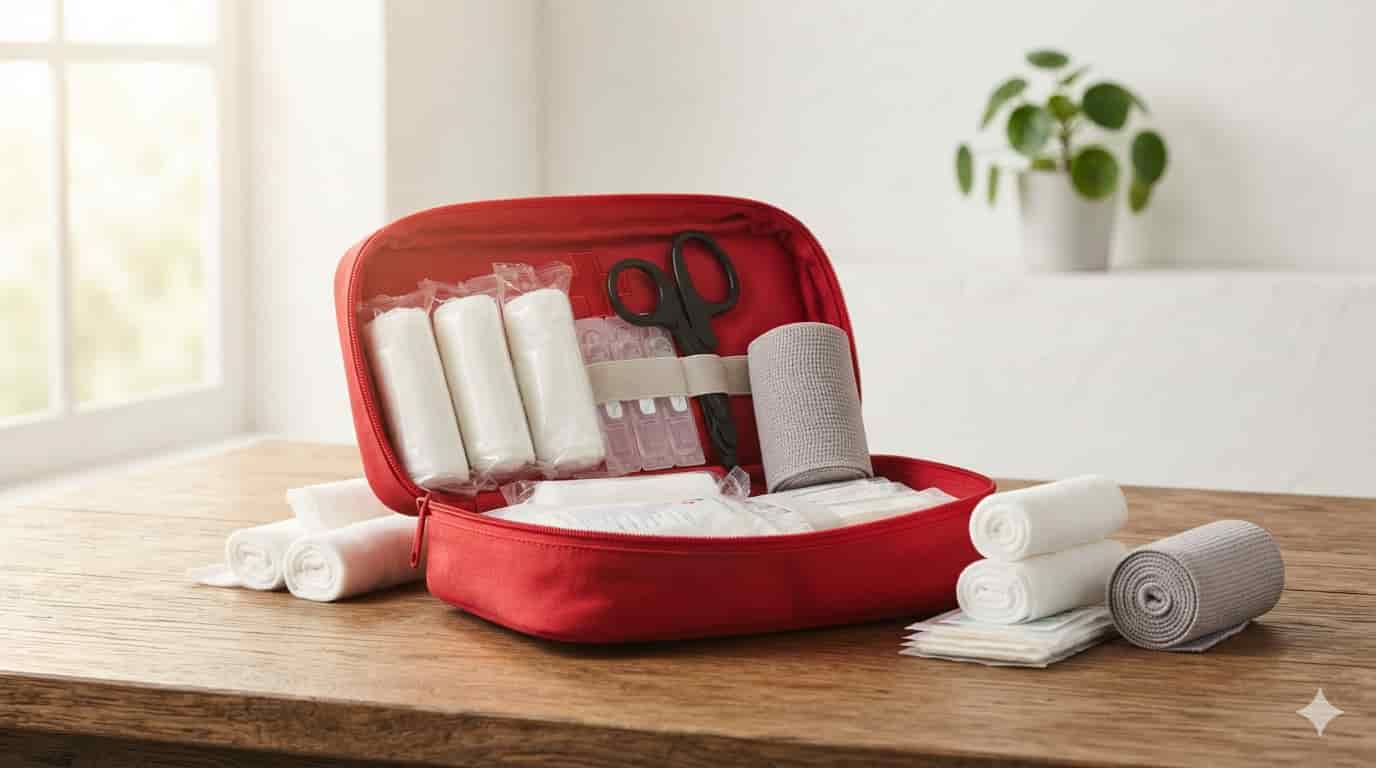
Building a comprehensive home emergency first aid kit checklist is vital when severe weather, power blackouts, or sudden household accidents delay professional emergency response times. Most families believe they are medically prepared simply because they keep a tiny plastic box with a few adhesive bandages and expired antiseptic cream in the bathroom cabinet.
While standard store-bought kits offer a few basic adhesive strips, curating an advanced home emergency first aid kit checklist ensures your family is equipped to manage traumatic bleeding, burns, and fractures. When a serious laceration occurs from broken glass during a storm, or boiling water spills in the kitchen, generic cartoon bandages are completely useless.
Whether you are designing a compact medical bag for your car trunk, outfitting a basement storm shelter, or safeguarding your family home, here are the 7 proven checklist categories that transform basic supplies into a life-saving medical station.
Why You Need a Home Emergency First Aid Kit Checklist
Many households neglect their home emergency first aid kit checklist until a broken glass, severe storm cut, or kitchen scalding exposes missing critical supplies.
During an acute domestic crisis, having an organized medical kit solves three life-threatening dilemmas:
- The Critical Hemorrhage Window: Severe arterial or venous bleeding can turn fatal in under five minutes; having specialized pressure dressings ready buys precious time until paramedics arrive.
- Prevention of Secondary Infections: Untreated wounds exposed to floodwaters or unsterilized environments rapidly develop aggressive bacterial infections, turning minor scrapes into systemic risks.
- Panic Mitigation: In high-stress scenarios, family members freeze. A clearly labeled, modular first-aid setup eliminates chaotic searching when adrenaline is surging.
Establishing a thoughtful home emergency first aid kit checklist guarantees that you possess the physical tools to stabilize injuries with confidence.
7 Proven Home Emergency First Aid Kit Checklist Categories for Family Safety
1. Severe Bleeding Control and Hemostatic Gauze
As the most vital section of any home emergency first aid kit checklist, pressure bandages and hemostatic dressings stop life-threatening arterial blood loss in minutes. Standard cotton balls saturate within seconds; modern emergency kits require military-grade pressure wraps.
- Essential Supplies:
- Hemostatic Gauze: Gauze impregnated with kaolin or chitosan, which accelerates biological blood clotting upon direct wound contact.
- Israeli Pressure Bandage (4-inch or 6-inch): An all-in-one sterile dressing with a built-in pressure bar to clamp down on heavy lacerations.
- Tourniquet (Windlass Style): A certified limb tourniquet kept unboxed and ready for severe extremity trauma.
(Affiliate Tip: Ideal spot to link to certified tactical tourniquets and Israeli pressure bandages).
2. Wound Irrigation and Antiseptic Cleansing
Including saline bottles and chlorhexidine wipes ensures your home emergency first aid kit checklist prevents microbial infections without stinging delicate tissue. Rubbing alcohol and hydrogen peroxide damage healthy living cells, actually delaying tissue healing.
- Essential Supplies:
- Sterile Saline Flush Pods (0.9% Sodium Chloride): Plastic squeeze pods to blast dirt and grit out of open wounds or flush foreign objects from eyes.
- Povidone-Iodine or Chlorhexidine Prep Pads: Medical-grade skin disinfectants for the borders of open wounds.
- Triple Antibiotic Ointment: Unit-dose foil packets of bacitracin and polymyxin to maintain a sterile wound bed.
3. Burn Care Dressings and Cooling Hydrogels
Water-based hydrogel pads represent an indispensable layer in a home emergency first aid kit checklist to dissipate heat from thermal burns. Applying butter, ice, or greasy petroleum jellies to fresh burns traps heat deep within dermal layers, worsening tissue damage.
- Essential Supplies:
- Sterile Water-Based Hydrogel Burn Dressings: Pre-saturated cooling pads (4×4 inches) that soothe nerve endings and stop thermal progression.
- Non-Adherent Sterile Gauze Pads (Telfa Pads): Dressings that will not stick to peeling or blistered skin during dressing changes.
- Cohesive Elastic Bandages (Coban): Self-adherent wraps that secure burn dressings without sticky tape contacting delicate skin.
4. Fracture Immobilization and Padded Splints
Adding a moldable padded aluminum splint elevates your home emergency first aid kit checklist to handle bone dislocations and sprains. When someone falls down the stairs or trips over storm debris, immobilizing the joint prevents jagged bone fragments from tearing nerves.
- Essential Supplies:
- Padded Aluminum Splint (36-inch SAM-style): A pliable aluminum strip coated in closed-cell foam that bends into rigid structural curves to support broken wrists or ankles.
- Triangular Bandages (Cravats): Heavy cotton fabric pieces used to fashion arm slings, secure splints, or hold ice packs.
- Elastic Tensor Bandages (ACE wraps): 3-inch and 4-inch wraps to support sprained ligaments.
(Affiliate Tip: Great spot to recommend malleable padded aluminum foam splints).
5. Essential Diagnostic Tools and Trauma Shears
High-grade medical shears and a reliable digital thermometer form the analytical core of this home emergency first aid kit checklist. In cold or chaotic weather, you need instruments to expose hidden wounds and monitor vital baseline metrics.
- Essential Supplies:
- Blunt-Tipped Titanium Trauma Shears: Capable of slicing effortlessly through thick denim, leather belts, or heavy winter parkas without scratching the patient’s skin.
- Precision Splinter Tweezers: Stainless-steel pointed tweezers to extract glass shards, metal filings, and wood splinters.
- Digital Pulse Oximeter: Clips onto a finger to instantly monitor blood oxygen saturation (SpO2) and heart rate during breathing distress.
Pairing domestic medical backups with steady achieving cardiorespiratory fitness keeps your cardiovascular stamina and mental endurance steady under sudden high-adrenaline emergencies.
6. Blister Management and Minor Cut Care
Minor abrasions, blisters, and finger cuts represent 90% of your kit’s daily use. Keeping a dedicated exterior pocket for minor cuts stops family members from tearing open sterile trauma packs for a tiny paper cut.
- Essential Supplies:
- Fabric Knuckle and Fingertip Bandages: Heavy-duty flexible fabric strips that stay adhered to bending joints.
- Hydrocolloid Blister Pads: Moleskin or gel blister dressings that act like a second layer of skin over friction sores.
- Liquid Skin Adhesive / Butterfly Closures: To pull clean, minor skin edges together neatly without stitches.
Maintaining mental composure during domestic medical mishaps is essential; practicing yoga for mental health training resets sympathetic nervous arousal and sharpens practical focus during stressful family accidents.
7. Personal Protective Equipment (PPE) and Waste Bags
Protecting the rescuer is rule number one in emergency response. Never treat an open, bleeding wound without barrier protection to safeguard against bloodborne viral pathogens.
- Essential Supplies:
- Nitrile Examination Gloves (Latex-Free): Pack at least four pairs in size Large, kept sealed in ziplock bags to prevent dry-rotting.
- Surgical Face Masks with Eye Shields: Protects your eyes and mouth from fluid splashes.
- Red Biohazard Disposal Bag: A dedicated leakproof bag to safely isolate contaminated dressings and bloody gauze.
Organization Strategy: How to Build Your Home Emergency First Aid Kit Checklist
The real secret to an effective home emergency first aid kit checklist is modular organization, separating trauma supplies from routine everyday blister pads.
| First-Aid Module | Core Items | Primary Emergency Purpose | Storage Tip |
| Severe Bleeding | Pressure Bandage, Hemostatic Gauze | Immediate hemorrhage arrest | Place in top red pouch |
| Fracture / Sprain | Malleable Splint, Triangle Sling | Joint & bone stabilization | Bottom of hard case |
| Burn Care | Hydrogel Pads, Non-stick Gauze | Thermal heat relief & protection | Keep away from heat |
| Minor Wound Care | Fabric Strips, Saline Flush | Everyday cuts, scrapes, blisters | Front outer zipper |
| Tools & PPE | Trauma Shears, Nitrile Gloves | Skin exposure & rescuer safety | Clear mesh compartment |
Maintenance and Expiration Audits
Scheduling a bi-annual review of your home emergency first aid kit checklist ensures expired sterile solutions and dried antiseptic pads are promptly replaced.
Follow these three basic maintenance principles:
- The Daylight Savings Routine: Audit your first-aid bag twice a year when you change household smoke alarm batteries.
- Inspect Sterile Packaging: Discard any gauze pouch whose paper seal has become creased, punctured, or water-damaged.
- Keep It Accessible: Never lock your primary first-aid kit inside a high attic or crowded garage; store it in a central, visible linen closet known to all household members.
Maintaining this practical home emergency first aid kit checklist gives your household the ultimate peace of mind when unexpected accidents strike.
Connect With Us & Share Your Progress
For practical emergency preparedness guides, family health resilience tips, and active wellness routines, join our growing digital community:
- Follow our visual first-aid diagrams on FitKiter on Pinterest
- Join our community health discussions on FitKiter on Facebook